Services

Food Label Canada

Navigate Canada’s complex food labeling regulations with confidence. Expert bilingual label reviews, Nutrition Facts tables, and CFIA compliance services. Avoid costly border detentions and ensure smooth market entry across all Canadian provinces.

FAST AND AFFORDABLE Food labeLling solution
Image Food label Consultants | FTC International Consulting

Get Your Free CFIA Compliance Consultation

25+ Years CFIA Experience

100% Bilingual Expertise

500+ Canadian Labels Reviewed

BC-Based Canadian Company

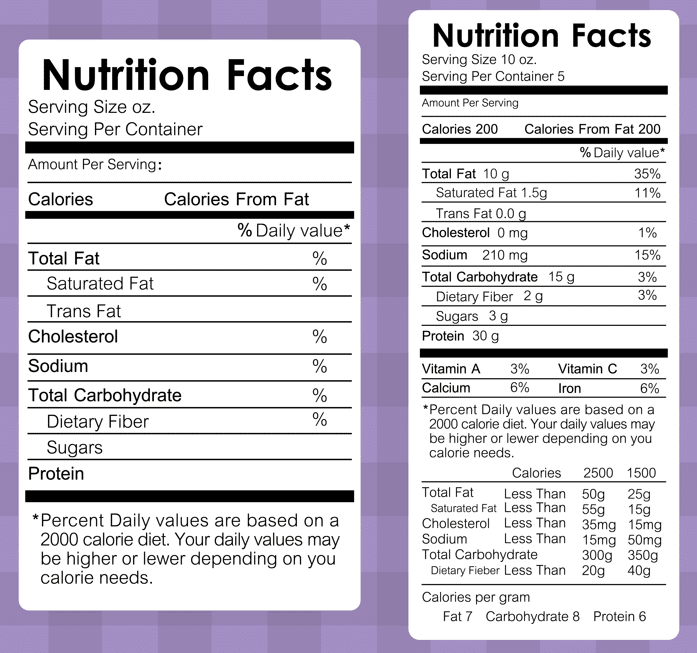
Exemple of Nutrition Facts


Why Canadian Food Labeling Compliance Matters

Canadian food labeling regulations are among the most comprehensive in the world. Administered by the Canadian Food Inspection Agency (CFIA) under the Safe Food for Canadians Regulations (SFCR) and Food and Drug Regulations, these requirements ensure consumer safety and informed decision-making. Non-compliant labels can result in product seizures at the border, costly recalls, CFIA enforcement actions, and denied market access—particularly in Quebec where language laws are strictly enforced.

At FTC International Consulting Ltd., we’re a Canadian company based in British Columbia with over 25 years of experience helping food manufacturers, importers, and distributors achieve full CFIA compliance. Our expertise in Canadian food labeling requirements ensures your products meet all federal and provincial standards, including Quebec’s stringent bilingual requirements.

Canadian Food Labeling Requirements: What's Mandatory?

Understanding CFIA’s mandatory requirements is essential for any food product sold in Canada. Here are the eight core requirements that every compliant Canadian food label must include:

1. Common Name (Product Identity)

The product must be identified by its common name as prescribed in Canadian regulations or, if not prescribed, by a name that clearly describes the food. The common name must appear in both English and French with a minimum height of 1.6mm (1/16 inch) on the principal display panel.

2. Net Quantity Declaration

The amount of food in the package must be declared in metric units (grams, kilograms, milliliters, or liters). Net quantity must be bilingual and prominently displayed on the principal display panel with specific font size requirements based on the principal display surface area.

3. Bilingual Labeling (English & French)

All mandatory label information must appear in both English and French. For products sold in Quebec, French text must be at least equal in size to English text, and in many cases, French must be predominant. This includes the common name, ingredients list, Nutrition Facts table, allergen statements, and all mandatory declarations.

4. Ingredients List

All ingredients must be listed in descending order by weight using their common names as specified in Canadian regulations. Sugar-based ingredients must be grouped together in brackets following the term “Sugars” to help consumers understand total sugar content. The ingredients list must be bilingual.

5. Nutrition Facts Table

The Canadian Nutrition Facts table format differs significantly from the US Nutrition Facts panel. It must display nutritional information per serving size in a specific format prescribed by CFIA, including calories, 13 core nutrients, and % Daily Values. The table must be bilingual and follow strict formatting requirements.

6. Allergen, Gluten Source, and Added Sulphite Declarations

Canada requires declaration of 11 priority allergens plus gluten sources and added sulphites. These must be declared in the ingredients list and may also be listed in a “Contains” statement. The priority allergens are:

  • Peanuts
  • Tree nuts (10 specific types must be named)
  • Sesame seeds
  • Milk
  • Eggs
  • Fish
  • Crustaceans and molluscs
  • Soy
  • Wheat and triticale
  • Mustard

7. Date Marking and Storage Instructions

Most prepackaged foods with a durable life of 90 days or less require a “best before” date. The date marking must include the year for products with a durable life greater than 90 days. Storage instructions must be provided when necessary for the food to maintain its specified shelf life.

8. Name and Address of Manufacturer or Distributor

The label must display the name and principal place of business (city, province/state, country) of the person responsible for the product. For imported products, either the importer’s Canadian address or the foreign manufacturer’s address can be shown, but Canadian importers typically prefer to show their own information.

Front-of-Package (FOP) Nutrition Symbols: New Requirements for 2025-2026

As of January 1, 2026, many prepackaged foods in Canada must display Front-of-Package nutrition symbols if they contain high levels of saturated fat, sugars, or sodium. This significant regulatory change requires careful evaluation and proper symbol application.

Which Products Require FOP Symbols?

Products that meet or exceed threshold levels for saturated fat (15% Daily Value), sugars (15% Daily Value), or sodium (15% Daily Value) per reference amount must display the black and white warning symbol prominently on the principal display panel.

Exemptions from FOP Symbols

Certain foods are exempt, including:

  • Whole, single-ingredient foods (fresh fruits, vegetables, raw meat cuts)
  • Milk, plain yogurt, and unflavored plant-based beverages
  • Eggs
  • Foods in small packages (≤100 cm² principal display surface)
  • Certain butter, cooking oils, and sugar products
  • Ground meat and poultry with added ingredients ≤7%

Our free NutriSymbol generator tool helps you determine if your product requires FOP symbols and generates compliant graphics for your labels.

Quebec-Specific Food Labeling Requirements

Quebec’s Charter of the French Language (Bill 101) imposes additional requirements beyond federal CFIA regulations:

  • French must be predominant: French text must be at least equal in size to English, and preferably larger
  • Marketing text should be French: While federal regulations only require bilingual mandatory information, Quebec retailers and the Office québécois de la langue française (OQLF) expect all text to be bilingual or French-only
  • Proper translations: Direct or literal translations often create compliance issues. Professional food-specific translation is essential
  • Enforcement is strict: Quebec rigorously enforces language violations with fines and market restrictions

Our team provides expert bilingual label consulting with proper French translations that satisfy both federal CFIA requirements and Quebec provincial language laws.

Our Canadian Food Label Consulting Services

Comprehensive CFIA Label Review

Our detailed regulatory review examines every aspect of your label for compliance with CFIA requirements:

  • Common name verification against CFIA standards
  • Net quantity declaration format and placement
  • Bilingual compliance for all mandatory information
  • Ingredients list accuracy, order, and formatting
  • Nutrition Facts table Canadian format and calculations
  • Allergen, gluten, and sulphite declarations
  • Date marking and storage instruction requirements
  • Manufacturer/distributor information
  • Country of origin labeling for imports
  • Front-of-Package nutrition symbol requirements (2026)

Bilingual Label Services

Proper bilingual labeling is critical for Canadian market success. We provide:

  • Professional French translation of all mandatory label elements
  • Quebec compliance review ensuring French prominence and proper terminology
  • Bilingual Nutrition Facts table formatting in the required Canadian bilingual format
  • Translation verification to avoid common errors that lead to compliance issues

Nutrition Facts Table Development

Canadian Nutrition Facts tables have unique formatting requirements that differ from US Nutrition Facts panels:

  • Different nutrient rounding rules
  • Different Daily Value reference standards
  • Specific bilingual format requirements
  • 13 core nutrients vs. US requirements
  • Multiple format options based on available space

We coordinate laboratory testing or work with your existing nutrition data to create properly formatted, compliant Canadian Nutrition Facts tables.

Claims Verification & Substantiation

Canadian regulations strictly control what claims you can make on food labels:

  • Nutrient content claims (e.g., “source of fiber,” “low in saturated fat”)
  • Health claims (disease risk reduction claims and function claims)
  • Organic certification under the Canada Organic Regime
  • Natural claims (truthful and not misleading)
  • Negative claims (e.g., “no artificial colors”)
  • Production method claims (e.g., “free-range,” “grass-fed”)

We verify that your claims meet CFIA requirements and help you substantiate them properly to avoid enforcement actions.

Pre-Press Final Review

Before you commit to printing thousands of labels, our pre-press review provides final verification that all corrections have been properly implemented and your artwork is fully CFIA-compliant and ready for production.

Common Canadian Food Labeling Mistakes We Help You Avoid

Based on our 25+ years of experience, these are the most frequent CFIA compliance issues we see:

  • Incorrect bilingual formatting: English and French not properly separated, French text smaller than English (especially problematic for Quebec), or missing bilingual information
  • Wrong Nutrition Facts table format: Using US format instead of Canadian format, incorrect rounding, wrong Daily Values, or missing mandatory nutrients
  • Inadequate allergen declarations: Not declaring all 11 priority allergens, incorrect terminology (e.g., saying “nuts” instead of specifying “tree nuts”), or missing gluten sources
  • Non-compliant common names: Using US terminology instead of Canadian terms (e.g., “cilantro” vs. “coriander leaves”), or marketing names that don’t meet CFIA standards
  • Missing or incorrect net quantity: Not using metric units, incorrect font size, wrong placement, or non-bilingual declaration
  • Improper ingredient grouping: Not grouping sugar-based ingredients, incorrect descending order, or using non-standard ingredient names
  • Translation errors: Literal translations that are misleading or incorrect in French (e.g., “rub” translated as “ruban” meaning ribbon/lace)
  • Incorrect FOP symbol requirements: Missing required Front-of-Package symbols or applying them when exempt
  • Non-compliant claims: Making nutrient content claims without meeting criteria, unauthorized health claims, or misleading production method claims

Why Choose FTC International for Canadian Food Labeling?

Canadian Company, Canadian Expertise

We’re based in British Columbia and have been serving Canadian food businesses since 1999. We understand Canadian regulations, CFIA enforcement priorities, and provincial requirements like Quebec’s language laws from a Canadian perspective.

Bilingual Expertise That Goes Beyond Translation

Proper bilingual labeling requires more than word-for-word translation. Our team understands Canadian French terminology for food products, Quebec language law requirements, and how to create labels that satisfy both CFIA and OQLF.

Up-to-Date with Latest Regulations

Canadian food labeling is constantly evolving. From the 2026 Front-of-Package symbols to supplemented foods regulations and ongoing CFIA guidance updates, we stay current so your labels remain compliant.

Scientific and Regulatory Foundation

Our consultants combine food science expertise (microbiology, chemistry) with deep regulatory knowledge. This dual expertise ensures we understand your products both technically and from a compliance perspective.

Practical, Market-Ready Solutions

We provide clear, actionable guidance that helps you achieve compliance while maintaining your brand identity and marketing objectives. Our reports are detailed but understandable, with specific instructions for corrections.

Fast Turnaround Times

We understand time-to-market pressures. Our typical turnaround for Canadian label reviews is 3-5 business days, with expedited services available when you need faster results.

Canadian Food Labeling Process: How We Work

Step 1: Initial Consultation & File Submission

Send us your current label artwork (PDF format preferred), ingredient list with percentages, any claims you want to make, and information about your target provinces. Let us know if you need bilingual services or if you already have French translations.

Step 2: Comprehensive CFIA Compliance Review

Our food regulatory experts review your label against all applicable CFIA requirements under the Safe Food for Canadians Regulations and Food and Drug Regulations. We examine every element including:

  • Common name compliance
  • Net quantity format and placement
  • Bilingual requirements (English/French)
  • Ingredients list accuracy and order
  • Nutrition Facts table Canadian format
  • Allergen declarations
  • Date marking requirements
  • Front-of-Package symbol requirements
  • Claims substantiation
  • Quebec-specific requirements if applicable

Step 3: Detailed Compliance Report

You receive a comprehensive written report identifying all compliance issues with:

  • Clear explanation of each issue
  • Specific CFIA regulatory references
  • Recommended corrections
  • Examples where helpful
  • Priority ranking (critical vs. recommended changes)

Step 4: Translation Services (If Needed)

If you need bilingual label services, we provide professional French translation of all mandatory elements, ensuring proper food terminology and Quebec compliance.

Step 5: Pre-Press Final Review

Once you or your graphic designer have implemented corrections, we conduct a final pre-press review of your updated artwork to verify that all issues have been properly resolved and your label is CFIA-compliant and ready for printing.

Industries & Product Categories We Serve

Our Canadian food labeling expertise covers all major food categories:

Food Manufacturers

Packaged foods, beverages, bakery products, sauces, condiments, snacks

Food Importers

Products from US, EU, Asia requiring Canadian label adaptation

Meat & Poultry Processors

Fresh and processed meat products with CFIA meat inspection requirements

Dairy & Alternative Products

Milk, cheese, yogurt, plant-based beverages and dairy alternatives

Organic & Natural Products

Canada Organic Regime certified products and natural food claims

Dietary Supplements

Natural Health Products (NHPs) and supplemented foods

Restaurant Chains

Menu labeling, packaged retail products, and nutritional information

Pet Food

Complete Canadian pet food label consulting services

The Cost of Canadian Food Labeling Non-Compliance

CFIA non-compliance can be extremely costly for food businesses:

  • Border detention and storage fees: Imported products held by CBSA pending CFIA review can accumulate thousands in storage costs while losing critical selling windows
  • Product recalls: CFIA-mandated recalls for labeling violations (especially allergen declarations) can cost $50,000 to millions depending on distribution
  • Re-labeling expenses: Destroying non-compliant packaging and re-printing correct labels
  • Lost distribution: Major retailers refuse products with compliance issues, losing valuable shelf space and distribution relationships
  • Quebec penalties: Office québécois de la langue française fines for language law violations plus market restrictions
  • CFIA enforcement actions: Warning letters, compliance orders, license suspensions, and potential prosecution
  • Brand reputation damage: Public recalls erode consumer trust and damage brand equity

Professional Canadian food labeling consulting is a small investment compared to these potential costs. Our services typically pay for themselves by preventing even one compliance issue.

Frequently Asked Questions: Canadian Food Labeling

Do all Canadian food labels need to be bilingual?

Yes, all mandatory label information must appear in both English and French. While the regulations technically only require mandatory information to be bilingual, most retailers expect fully bilingual packaging. Quebec has even stricter requirements where French must be prominent.

What’s the difference between Canadian and US Nutrition Facts?

Canadian Nutrition Facts tables differ significantly from US panels in format, required nutrients, Daily Value references, rounding rules, and serving size regulations. You cannot simply use a US Nutrition Facts panel in Canada—it must be reformatted to Canadian standards.

How long does a Canadian label review take?

Our standard turnaround is 3-5 business days for most products. Complex products with multiple SKUs or extensive claims may require additional time. Expedited 24-48 hour service is available for urgent projects.

Do I need Front-of-Package nutrition symbols on my product?

Products that meet or exceed 15% Daily Value thresholds for saturated fat, sugars, or sodium per reference amount must display FOP symbols as of January 1, 2026. However, many foods are exempt. Use our free NutriSymbol tool to check your specific product.

Can you provide French translation services?

Yes, we provide professional French translation of all mandatory label elements. Our translations use proper Canadian French food terminology and comply with Quebec language requirements. We can translate marketing text as well if needed.

What if my US product needs to enter the Canadian market?

US food labels almost always require modification for the Canadian market due to differences in: bilingual requirements, Nutrition Facts format, metric net quantity, allergen declarations, and ingredient terminology. We specialize in adapting US labels for Canadian compliance.

How do Quebec’s requirements differ from federal CFIA requirements?

Quebec’s Charter of the French Language requires French to be at least equal (preferably larger) than English, and many retailers expect all text to be bilingual. The Office québécois de la langue française actively enforces these requirements. We ensure your labels satisfy both CFIA and Quebec provincial requirements.

What happens if CFIA detains my product at the border?

We can help assess the issue, provide documentation to CFIA if appropriate, and advise on options including: negotiating one-time entry, over-stickering to correct issues, or importing properly compliant labels. Prevention is always better—having labels reviewed before importation avoids these costly situations.

Do you review labels for specific food categories like meat or dairy?

Yes, we have expertise across all food categories including those with additional specific requirements (meat and poultry, fish, dairy, honey, maple syrup, etc.). We ensure compliance with both general labeling requirements and category-specific regulations.

Additional Resources: Canadian Food Labeling

FTC International provides several free tools and resources to help Canadian food businesses:

  • NutriSymbol Generator – Free tool to determine if your product needs Front-of-Package nutrition symbols and generate compliant graphics
  • White papers and guides on Canadian food labeling topics including CFIA requirements, bilingual labeling, and claims substantiation
  • Blog articles covering regulatory updates, common compliance issues, and best practices
  • Email consultation for quick questions about specific labeling issues

Get Started with Expert Canadian Food Labeling Services

Don’t risk CFIA detention, costly recalls, or Quebec market restrictions with non-compliant labels. Whether you’re a Canadian manufacturer launching new products, an importer bringing products into Canada, or a US company expanding north, FTC International has the expertise to ensure your labels meet all CFIA requirements.

As a Canadian company based in British Columbia with over 25 years of food regulatory experience, we understand the unique challenges of Canadian food labeling including bilingual requirements, Quebec language laws, and CFIA enforcement priorities.

Ready to Ensure Your Canadian Labels Are CFIA Compliant?

Contact us today for a free initial consultation. We’ll discuss your products, review your Canadian labeling needs, and provide you with a clear path to full CFIA compliance.

Request Your Free CFIA Consultation

Call us at +1(604)288-2719 or email contact(at)ftcinternational.com

Related Canadian Food Regulatory Services

Preventive Control Plans (PCP)

SFCR-compliant food safety plans for Canadian manufacturers, importers, and exporters. HACCP-based preventive controls required by CFIA.

Learn More →

Product Development for Canadian Market

Formulation assistance ensuring CFIA compliance from concept through commercialization in the Canadian market.

Learn More →

US FDA Label Consulting

Expanding to the US market? We also provide FDA food label compliance services for Canadian companies entering the American market.

Learn More →

Pet Food Label Consulting (Canada)

Complete Canadian pet food labeling services ensuring compliance with CFIA and Canada Feeds Act requirements.

Learn More →

Official CFIA Food Labeling Resources

Stay informed with these official Canadian Food Inspection Agency resources:

Trusted by Canadian food manufacturers and importers from coast to coast

Established 1999 | Based in Pitt Meadows, British Columbia | Serving all Canadian provinces and territories

CFIA Compliance | Bilingual Expertise | Food Science Foundation